SEASONAL HOME CARE / FRASER FIX ADVICE
Before a cold snap: a plumbing and heating checklist for BC homes
Winter preparation is more useful when it produces a clear plan, not a list of repairs to attempt yourself. Before cold weather increases demand for service, gather the information and contacts you would need if heating stops or water appears where it should not.
THE SHORT ANSWER
Before a cold snap, review the heating manufacturer’s maintenance guidance, arrange appropriate qualified service, identify your normal accessible water shutoff and make sure the household knows who to call. A suspected frozen pipe, gas smell, carbon monoxide alarm or water near electrical equipment needs a safety-first response, not improvised repairs.
1. Start with the equipment you actually have
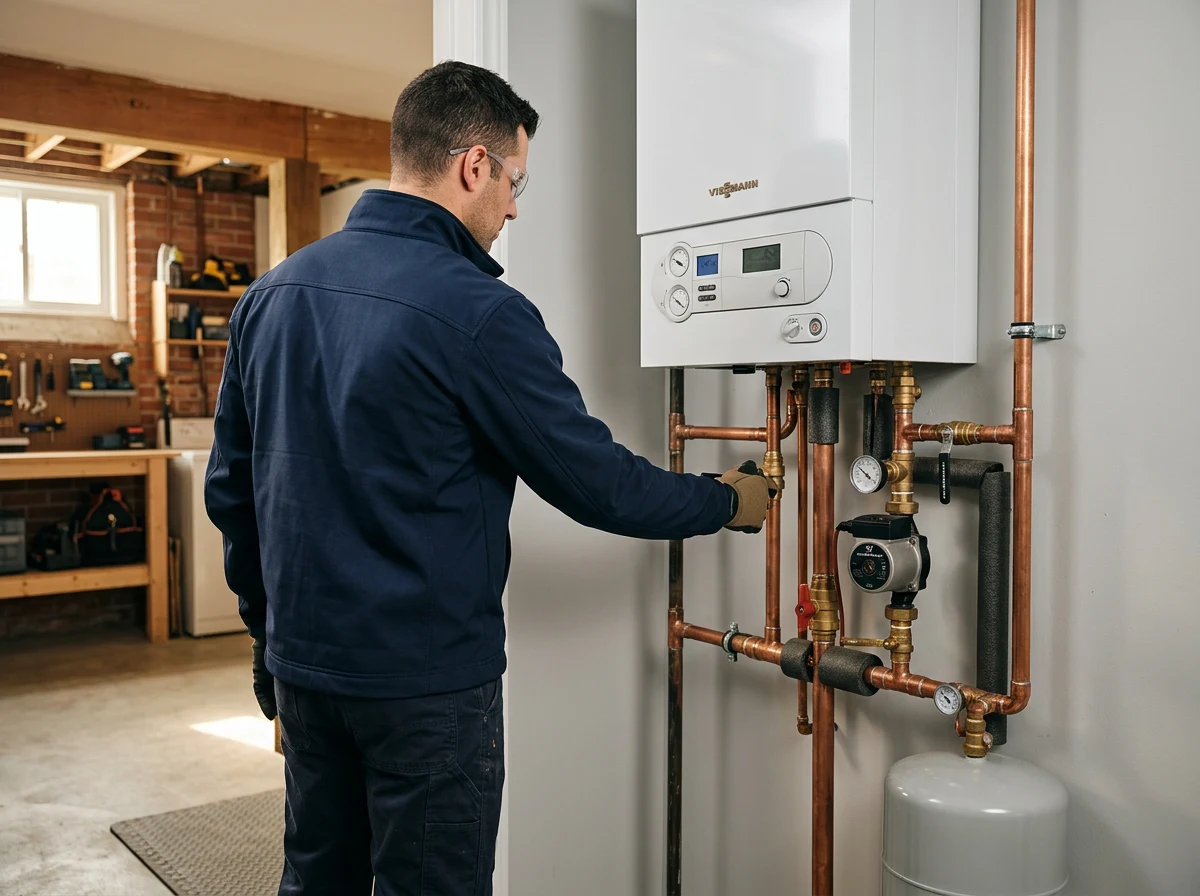
Write down whether the home uses a boiler, furnace or another heating system, and identify the water heater separately. Heating and domestic hot water may be connected, but do not assume that they are the same system. A visible exterior label or existing service record is usually a better starting point than guessing.
Keep the manufacturer’s user instructions and previous service records together. Note any longstanding fault, uneven heating or unreliable hot water so it can be discussed before the household relies on the equipment during colder weather.
- Heating and water-heater make and model, when safely visible
- Date and scope of the last recorded service
- Contact for the property owner or building manager
2. Plan qualified maintenance rather than internal adjustments
FortisBC describes regular appliance maintenance, including appropriate annual service by a licensed gas contractor, as part of keeping gas equipment operating safely and efficiently. The manufacturer’s requirements and the actual equipment should guide the work.
Ask what an appointment includes and whether the contractor can service your particular system. Do not open combustion equipment, alter gas controls or adjust unfamiliar safety devices. Sharing the model and any visible fault code helps the contractor prepare without asking you to take the appliance apart.
3. Make the water and access plan easy to find
Ask the owner or building manager to identify the normal accessible water shutoff and explain which parts of the property it serves. In a strata building, a valve may affect neighbours or common systems, so responsibility and authorization matter. Do not operate an unfamiliar or stuck valve merely to test it.
Keep access routes, contact information and equipment locations documented. Arrange a qualified review of any exposed or previously troublesome pipework. Property-specific winterization is more useful than assuming that one generic internet instruction fits every building.
4. Distinguish a local water problem from a wider outage
If water stops flowing, note whether it affects one fixture, part of the building, the whole property or neighbours too. The City of Vancouver’s water-quality and pressure guidance distinguishes local fixture and possible frozen-pipe issues from wider supply problems. Other municipalities have their own reporting arrangements.
Do not use an open flame or dismantle pipework in an attempt to restore flow. If freezing is suspected, contact a qualified plumber and explain the location and symptoms. Avoid repeated testing when there is a risk of a leak or overflow, and do not enter unsafe crawlspaces to investigate.
5. Agree on the response while everyone is calm
Keep a property contact, heating contractor, plumber and relevant utility emergency number available to the household. A routine maintenance enquiry is different from a gas leak, carbon monoxide alarm or an electrical hazard. For immediate danger, leave the unsafe area and contact emergency assistance.
For a service request in Abbotsford, Surrey, Langley, Delta, Burnaby or Vancouver, explain the equipment, symptoms, location and timing. Fraser Fix confirms its actual scope and availability directly. A completed website draft is not a booked appointment.
QUICK ANSWERS
Frequently asked questions
Does a winter checklist mean I should service the boiler myself?
No. The checklist helps you identify equipment, plan access and arrange appropriate qualified maintenance. It is not an internal repair or gas-servicing procedure.
What should I say if a pipe may be frozen?
Explain which fixtures have lost water, when the problem began, whether neighbours are affected and whether any leaking is visible. Avoid unsafe access and improvised thawing.
Does the same winter plan apply to a strata unit?
Not necessarily. Ask the strata or property contact which systems are shared, who can authorize work and what access rules apply.
SOURCE REFERENCES
Further reading from official sources
Published October 31, 2026. General information only; building conditions, bylaws, equipment and safety requirements vary. This article does not replace qualified assessment, legal advice or emergency assistance. Read our editorial approach.